A feasibility report is the document that shows, from market, technical and financial angles, whether an investment is worth making. A well-prepared report does not simply say “yes”; it also shows under which conditions the investment holds up and under which it does not.
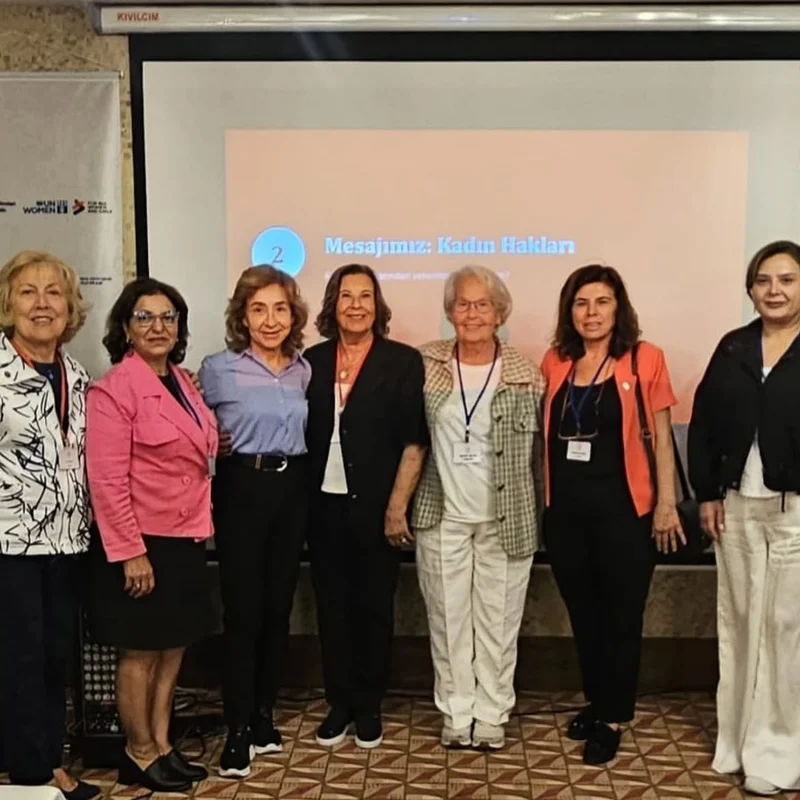
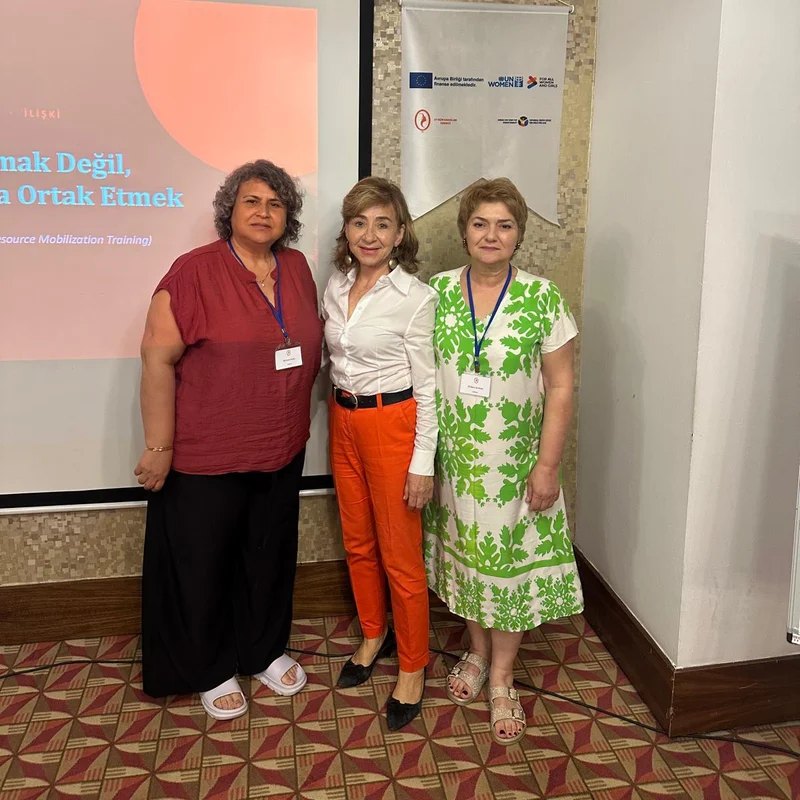
At Akdan Consultancy we have carried out feasibility studies of different scales, from organised industrial zones to agriculture-based facilities, and from shared-use centres for chambers of industry to the restoration of a historical national park, and we have delivered feasibility and business plan training to development agency and ministry experts. In this article we draw on that experience to explain what a feasibility report consists of, who asks for one and what deserves attention in the field.
What is a feasibility report?
A feasibility report is a viability analysis that turns an investment idea into something a decision can be made on. It seeks the answer to a single question: will this investment, in this place, at this scale and under these conditions, carry itself?
The answer rests on three pillars. The market pillar tests whether the product or service will genuinely find demand, the technical pillar how, where and at what capacity the investment will be set up, and the financial pillar whether the investment covers its cost from its own cash flow. If one pillar is weak, the strength of the other two does not change the result.
The difference between a pre-feasibility and a feasibility study
A pre-feasibility study is the first test of an investment idea in terms of location, scale and market. Its aim is not to build a detailed plan but to see whether the idea deserves further resources. If the result is positive, the detailed feasibility study follows.
For example, the reports we prepared for the Karasu Seafood Processing Facility and the Gölpazarı Food Specialised Organised Industrial Zone were pre-feasibility studies: in Karasu the investment idea was tested in terms of location, scale and market, and in Gölpazarı site selection, investor demand and infrastructure needs were assessed. A detailed feasibility study adds capacity, the choice of machinery and equipment, an investment schedule and a full financial model to that framework.
Who asks for a feasibility report?
A feasibility report is not prepared only for the investor’s own decision. Often an institution asks for the report as part of an application:
- Development agencies: in support programmes and in regional studies the agency commissions itself. The organised industrial zone feasibility in Trabzon was carried out with DOKA, the fig and olive oil study in Aydın with GEKA and the reports in Kars and Ardahan with SERKA.
- Investment incentive applications: depending on the nature of the investment, a feasibility report may be requested. Since the required documents change with the legislation, the current rules should be checked before applying.
- Banks and investors: in a lending or partnership decision, the project’s capacity to repay is read from the financial section of the report rather than from the company’s past balance sheet.
- Municipalities, chambers and public bodies: for facilities that will be open to shared use. The Machinery and Metal Laboratory and Heat Treatment Centre feasibility study we prepared for the Gaziantep Chamber of Industry is one example.
What sections does a feasibility report contain?
Although the names of the sections vary with the institution and the report format, the content is largely the same.
- Executive summary. What the investment is, where and at what scale it will be made, the total investment amount and the conclusion the report reaches. Most decision makers read only this section, which is why it is written last.
- Project description and purpose. The rationale for the investment, the structure of the investor and the need the project responds to.
- Market analysis. The size and direction of demand, competitors, target customers, price assumptions and sales channels. Since the rest of the report rests on the sales forecast in this section, it is the one that must be built most carefully.
- Technical analysis and site selection. Capacity, production process, machinery and equipment, access to raw materials, labour, infrastructure and the reasons for choosing the site.
- Investment and operating costs. Investment items such as land, buildings, machinery and installation, and operating expenses such as raw materials, energy, staff and maintenance.
- Financing structure. How the investment will be met from equity, loans, incentives and grants. As we also say on our Project Finance page, a good project can fail with the wrong financing; the financing structure must fit the project’s cash flow.
- Financial analysis. Income statement and cash flow projections, and measures such as net present value, internal rate of return and payback period.
- Risk and sensitivity analysis. How the result changes when the main assumptions, such as sales price, costs or exchange rates, change. A single-scenario report does not tell the decision maker how fragile the investment is.
- Conclusion and recommendations. Whether the investment should be made, and under which conditions.
Why is field work decisive?
The weakest point of a feasibility report is the assumption built at a desk and never tested in the field. Field work compares those assumptions with local conditions. A few examples from our own studies:
- Measuring demand. For the heat treatment centre in Gaziantep we carried out face-to-face surveys with companies in the organised industrial zone and the KÜSGET industrial estate; the current need, the cost and time of the service bought in from outside and the demand for a centre were measured directly with the companies.
- Seeing raw materials and capacity. In the fig and olive oil study in Aydın we met Tariş, the Chamber of Agriculture, the Commodity Exchange, the Fig Research Institute and the provincial units of the ministry, and visited producers and processors on site.
- Knowing the site and the stakeholders. In Trabzon we inspected the candidate industrial zone sites on the ground and met producers and local administrators in the districts. In Battalgazi, Malatya we assessed access to raw materials, labour and market conditions separately for each of five investment subjects.
- Listening to the target market. For the TİM Design Istanbul feasibility study we met the consulates of six countries and completed the site work with the architectural team; the feasibility of an international centre requires reading the expectations of the target countries and the real conditions of the venue together.
As in our meetings with SERKA experts in Kars and Ardahan, the views of public bodies and producers reach the final version of a report only in this way.
What to look for when assessing a feasibility report
As we also stressed in the business plan evaluation training we delivered to Ministry of Industry and Technology experts, reading a plan correctly starts with its revenue assumptions, its financing structure and its practicability. When reading a report, these questions test those three areas:
- What is the sales assumption based on? Has demand been measured in the field, or is capacity utilisation assumed to be high from the first year?
- Are the operating expenses complete? Besides the investment cost, have maintenance, energy, insurance and working capital needs been accounted for?
- Does the financing fit the cash flow? Does the repayment schedule match the period in which the project starts generating revenue?
- Are there different scenarios? Has the report shown what happens to the result when one of the assumptions changes?
The preparation process, step by step
A feasibility study usually moves through these steps:
- Preliminary assessment. The scope, budget and expectations of the investment are discussed, and it becomes clear for whom and for what purpose the report will be prepared. A report prepared for a bank does not use the same criteria as one prepared for a development agency application.
- Desk research. Sector data, legislation, comparable investments and the production structure of the region are examined.
- Field work. The site is inspected; producers, potential customers and institutions are interviewed, and surveys are carried out where needed.
- Financial model. The market and technical findings come together in a single model, and different scenarios are run.
- Report and presentation. The findings become the report and are presented to the decision makers. As in the Elazığ greenhouse industrial zone and Sakarya Akyazı greenhouse centre studies, the report is discussed with stakeholders at a presentation meeting.
Frequently asked questions
Who prepares a feasibility report?
A feasibility report can be prepared by the investor’s own team or with an independent consultant. Where the report will be submitted to an institution, an independent eye testing the assumptions makes the report more credible.
What is the difference between a feasibility report and a business plan?
A feasibility report asks whether an investment should be made; a business plan explains how a business that has already been decided on will be run. Feasibility comes before the decision, the business plan after it.
What happens if the feasibility report is negative?
A negative result is a valuable result too: it warns the investor before resources are lost. Often the report also shows under which condition the investment would become viable; a change in scale, location or financing structure can change the result.
How long does it take to prepare a feasibility report?
The time depends on the scale of the investment, the scope of the field work and the availability of data. A realistic schedule can therefore only be drawn up once the scope is clear.
The value of a feasibility report lies in asking the questions that should be asked before an investment decision is made. If you would like to discuss feasibility or the financing structure for your investment, you can visit our Project Finance page or get in touch with us.